Understand pages and connections
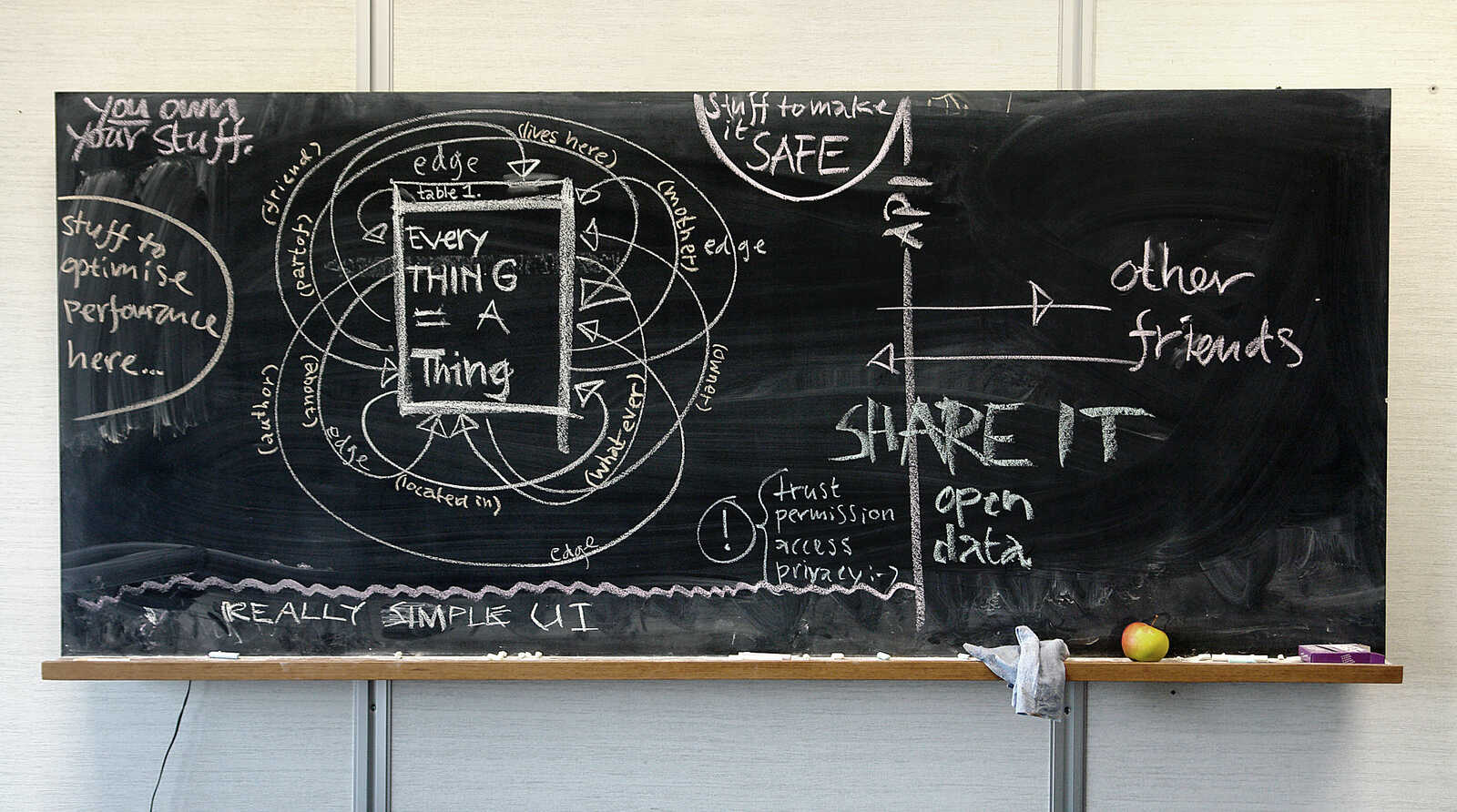
See how resources, categories, predicates and collections fit together.
Almost everything you edit in Zotonic is a resource: an article, person, image, keyword or collection. Each resource has an ID, properties such as a title, and one category. A unique name gives developers and imports a stable way to find it even when its title changes.
A category describes what the resource is. Categories form a hierarchy: an image is also media. Categories affect the available fields and how a page is displayed.
A connection joins two resources in a direction. Its predicate describes the relationship. For example, an article can have an outgoing author connection to a person; a collection has outgoing haspart connections to its members. The order of those members is part of the collection's structure.
Use existing keywords through subject connections to make content discoverable. Add a relationship instead of copying the same information into several bodies. For these documentation guides, related tasks use relation, and reference material uses hasreference. Automatically discovered body references use refers and are maintained by admin.
Publishing and access are separate. A page may be marked published but be outside its publication period or restricted to a user group. Test it as the intended reader. Being allowed to edit a page does not imply permission to link every other resource.